.png)
Fraud On the Rise: Fraud Prevention and Recovery Strategies

Updated: Mar 26
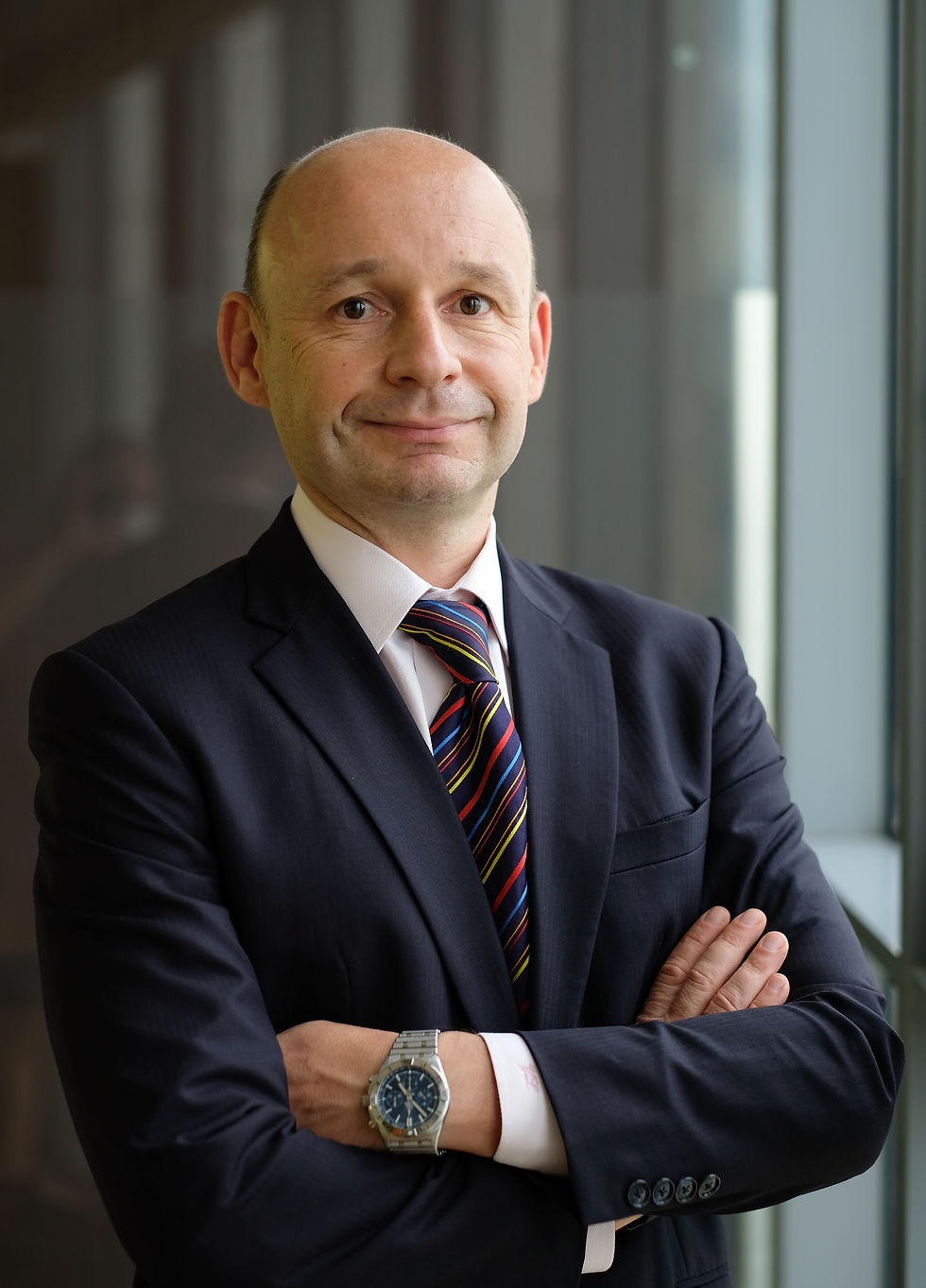
Author: Stefan Schmierer, Managing Partner | Co-author: Jan-Patrik Reimann
Fraud On the Rise: How to Prevent, Report and Recover
The ACFE (Association of Certified Fraud Examiners), the world's largest anti-fraud organisation, recently published its 2022 Report to the Nations with the results of a comprehensive study of 2,110 cases of fraud across 133 countries. The report estimates that, on average, an organisation loses about 5% of its annual revenue to fraud each year. This causes a median loss of US$117,000 before the fraud has been detected. Therefore, taking action to combat fraud is of utmost importance.
The data shows that fraud continues to be on the rise. Over the past couple of years, we have given various seminars and webinars and published numerous articles on the topic of fraud prevention, detection and recovery, which are listed further down below. Ravenscroft & Schmierer frequently acts for clients on fraud cases and advises on how to prevent it.

Occupational Fraud 2022: A Report to the Nations®
Occupational Fraud and the Impact of the Pandemic
In particular, the coronavirus pandemic created new opportunities for fraudsters. To develop effective tools for fraud prevention and detection, and to implement a plan to respond once fraud has been detected, organisations must understand how fraud is committed within their industry.
Simple Measures to Reduce Fraud Risk
Do not answer calls from unknown numbers, report suspicious emails
There is a simple rule to reduce the risk of fraud. Do not answer calls from unknown numbers and report suspicious emails immediately. If a number is not saved in your phone book, do not answer. If an important caller misses you, they will normally leave a voicemail or follow up by text or email.
Fraudulent emails are increasingly difficult to detect, as fraudsters may gain access to the email accounts of clients, colleagues or business partners. Strong cybersecurity protection and frequent staff training are therefore essential.
How Fraudsters Hide Their Identity
Use of Call Forwarding Services
Depending on the jurisdiction, fraudsters may use call forwarding services to disguise their true location. A call may appear to originate from one country while the fraudster is located elsewhere. Awareness of such tactics can help identify fraudulent calls more easily.

Stefan Schmierer (middle) and Jan-Patrik Reimann (right), speaking at ADVANTAGE AUSTRIA.
Legal Action and Escalation Options
Engage a Lawyer or Escalate Through Formal Complaints
For significant losses, hiring a lawyer is strongly advisable, as it may be possible to recover at least part of the funds. If the loss does not justify immediate legal action, alternative steps remain available.
Banks may initially deny responsibility. Victims should persist, write formal complaint letters by post, and follow up until the matter reaches senior decision‑makers rather than junior case handlers.
Raising Awareness Beyond Legal Channels
Speak to the Press, Politicians, Family and Friends
Many fraud victims feel embarrassed and remain silent. However, raising awareness can generate assistance and reduce future harm to others. Unless there are compelling reasons to avoid publicity, contacting journalists or policymakers may lead to unexpected support.
Speaking openly with family and friends can also provide emotional and practical assistance, as fraud is more widespread than many realise.
High‑Profile and Social Engineering Fraud
The Tinder Swindler and Similar Schemes
Even smaller losses can be part of systemic fraud patterns. Contacting media outlets or consumer advocates can put pressure on banks or payment service providers. Victims should keep initial outreach brief and follow up consistently.
Anonymity can often be requested, and contributing publicly may help prevent similar frauds.
Always Speak to a Lawyer
No matter the amount lost, victims should consult at least one lawyer. A preliminary assessment can indicate whether further legal action is appropriate and provide clarity on recovery prospects.
Report the Fraud in Hong Kong
In Hong Kong, suspected fraud can be reported to the Office of the Privacy Commissioner for Personal Data, which operates a fraud prevention hotline. Members of the public are advised not to disclose personal data arbitrarily. Reports may be made by calling +852 3423 6611.
How Ravenscroft & Schmierer Can Help?
Fraud cases require a coordinated approach involving prevention, response, and recovery. Ravenscroft & Schmierer advises individuals and organisations on fraud risk mitigation, recovery strategies, claims against banks and counterparties, and cross‑border enforcement issues.
If you require guidance on fraud prevention and recovery, contact us to discuss your circumstances and available options.
FAQ: fraud prevention and recovery
What is occupational fraud?
Occupational fraud refers to fraud committed by individuals against their employer through misuse of position or access.
Can stolen funds be recovered after fraud?
Recovery depends on speed of action, jurisdiction, and whether funds remain traceable or frozen.
Should fraud always be reported to authorities?
Yes. Reporting enables investigation, prevention of further harm, and may support recovery efforts.
Are banks ever liable for fraud losses?
Liability depends on the circumstances, including internal controls and response actions.
How can Ravenscroft & Schmierer assist with fraud prevention and recovery?
Ravenscroft & Schmierer advises clients on fraud risk management, response planning, recovery options, and pursuing claims related to fraudulent transactions.
Does Ravenscroft & Schmierer advise on claims against banks?
Yes. We advise on potential causes of action against banks and payment providers in fraud cases.
Can Ravenscroft & Schmierer assist with cross‑border fraud matters?
Yes. We regularly advise on international fraud cases involving multiple jurisdictions and enforcement challenges.
Disclaimer: Whilst every effort has been made to ensure the accuracy of this article it is general in nature and does not constitute legal advice of any kind. You should seek your own personal legal advice before taking legal action. We accept no liability whatsoever for loss arising out of the use or misuse of this article.
For specific advice about your situation, please contact:
Managing Partner
+852 2388 3899

Head of Finance and Compliance
+852 2388 3899